
Creativity can be about more than just making art or enjoying a favorite song. It’s a way to express yourself, discover new interests, build confidence and develop skills that carry over into everyday life. For individuals with disabilities, creative activities like painting, music, crafts and other hands-on projects can open doors to personal growth, meaningful connections and new opportunities.
At Weaver Industries, we believe everyone deserves the opportunity to learn, grow and reach their full potential. Through vocational training, employment opportunities and partnerships, we work to maximize the independence and personal fulfillment of individuals with disabilities. Exploring creative activities is one way to support that mission and help individuals build skills that make a difference both inside and outside the workplace.
Artistic activities offer plenty of opportunities to learn something new. Painting, drawing, crafting and other creative projects can help individuals practice fine motor skills, improve hand-eye coordination and develop attention to detail. Completing a project and taking ownership of the work done can feel rewarding, as well as encourage:
All of these skills and traits can translate into the workplace. Tasks like assembling or organizing materials, following a sequence of steps and checking finished work are valuable in many employment settings. Creative activities provide a welcoming environment where individuals can practice these skills at their own pace while enjoying the process.
Music has a unique way of bringing people together. Whether someone enjoys singing, playing an instrument, keeping a beat or simply listening to a favorite song, music can encourage communication, self-expression and social connection.
Participating in group music activities can help individuals practice listening, taking turns, following directions and working collaboratively with others for a common goal. These experiences can strengthen interpersonal skills that are important in the workplace and in community settings.
Music can also provide an enjoyable way to explore routines and develop focus. Following a rhythm or learning the sequence of a song encourages concentration and repetition. And the best part? There is no single right way to enjoy music. Everyone can participate in a way that reflects their interests, abilities and preferences.
Learning a new skill takes practice, and creative activities provide opportunities to celebrate progress along the way. Completing a painting, learning and memorizing a song or finishing a craft project can give individuals a tangible reminder of what they have accomplished.
Creative activities also offer a safe space to experiment. Not every project will turn out exactly as planned, and that is part of the learning process. Trying different approaches, adjusting to challenges and learning from mistakes can help individuals develop flexibility and problem-solving skills that are useful throughout life. As Bob Ross once said, “There are no mistakes, just happy accidents.”
These projects can be a great way to bring people together. Group art, music or crafts can help strengthen social skills while creating a sense of belonging. Individuals have opportunities to share their preferences, make decisions, ask for help and recognize the contributions of others.
When creative activities are designed to welcome different abilities and communication styles, everyone has an opportunity to participate and contribute in a meaningful way.
For any of these creative activities to be truly beneficial, they need to be accessible and responsive to individual needs. That may mean offering adaptive art tools, providing visual instructions, adjusting the pace of an activity or allowing individuals to choose how they participate. For example, some people may prefer hands-on projects with supplies such as paper and scissors, while others may enjoy music, storytelling or digital creativity.
Families, educators, employers and community organizations can all help make these opportunities possible by encouraging creative interests and providing the right support.
Art, music and creativity remind us that skill building does not have to happen in a traditional classroom or workplace. The goal is not to have perfect works of art, it is to grow and learn throughout the process. Whether it be practicing patience, completing a project independently or any other skill mentioned before, these experiences can support traits that matter in everyday life and in the workplace. When individuals have opportunities to explore their interests and build on their strengths, they can discover new possibilities for personal and professional growth.
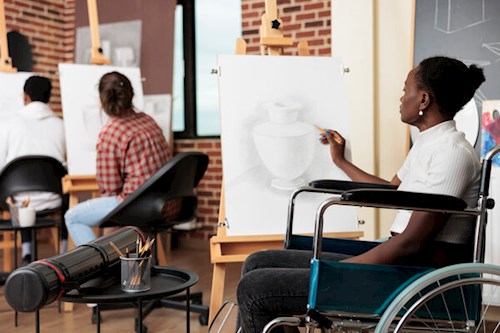
Art, music and creative activities can help individuals with disabilities build confidence, independence and everyday skills. Explore how creativity supports personal growth, communication and teamwork.
This blog recognizes National Disability Employment Awareness Month and highlights the value people with disabilities bring to the workplace. It explores how inclusive hiring, individualized employment opportunities, ongoing support and thoughtful workplace practices can help create meaningful, long-term employment.
Job carving is a customized employment approach that matches job responsibilities to an individual's unique strengths and abilities. This blog explains how job carving creates more inclusive workplaces, benefits both employees and employers, and how Weaver Industries uses this approach to support meaningful employment opportunities for individuals with disabilities.