
Community events are designed to bring people together, but without intentional planning, they can unintentionally leave people out. True inclusion goes beyond inviting everyone. It’s about creating an environment where all individuals feel welcomed, supported and able to fully participate. For local partners, hosting inclusive events is important to build trust, strengthen relationships and create meaningful community impact.
Inclusion begins long before the event itself. It starts with asking a simple question: Who might be missing? Taking time to consider different abilities, backgrounds and experiences early in the planning process helps prevent unintentionally excluding members of your community. Including individuals with lived experience can help identify challenges and shape more thoughtful, effective solutions.
Inclusive events are built through collaboration. Local organizations, advocates and community leaders can provide valuable guidance and help you better understand what accessibility and inclusion should look like in practice. Consider gathering input through surveys or conversations. These collaborations build trust when people feel heard and included in the process, and they are more likely to participate.
Accessibility is the foundation of any inclusive event. Venues with step-free entrances, accessible restrooms, clear signage and flexible seating arrangements can make all the difference. Location, transportation access and parking availability can also influence whether an event is truly reachable for all attendees. Offering a virtual option can expand access and provide additional flexibility.
No two attendees experience an event in the same way. Creating flexible environments allows more people to participate comfortably. Providing quiet areas or low-stimulation spaces can support individuals with sensory sensitivities. Thoughtful layouts can improve comfort and mobility.
Inclusion also involves representation. Events should reflect the diversity of the communities they serve. This can include featuring a range of voices in programming, being mindful of cultural considerations and offering options that accommodate different dietary needs. Details such as inclusive language can contribute to a more welcoming environment. Meaningful representation helps individuals feel seen and valued, not just invited.
Your event messaging plays a major role in who decides to attend. Be clear about accessibility features and include a way for attendees to request accommodations. Use inclusive language and imagery that reflects the diversity of your community. Sharing information across multiple channels can also help reach a broader audience. When people see that their needs have been considered, they are more likely to engage.
Staff and volunteers shape the overall experience. Preparing them with basic knowledge of inclusive practices can improve interactions and support. Training may include guidance on communication, disability awareness and how to respond to accommodation requests. When teams feel prepared, they are better equipped to create a positive and supportive environment.
Inclusive event planning is an ongoing process. Gathering feedback from attendees provides valuable insight into what worked well and where improvements can be made. Listening to a range of perspectives helps create stronger events over time. Each experience offers an opportunity to refine approaches and build more inclusive practices.
Inclusive community events are built through intention, awareness and a willingness to improve. By considering accessibility early, engaging with the community and designing with flexibility in mind, local partners can create events that welcome a broader range of participants. At Weaver Industries, creating inclusive opportunities is at the core of building stronger communities. When events are designed to support participation from individuals of all abilities, they become spaces where connection, understanding and opportunity can grow.
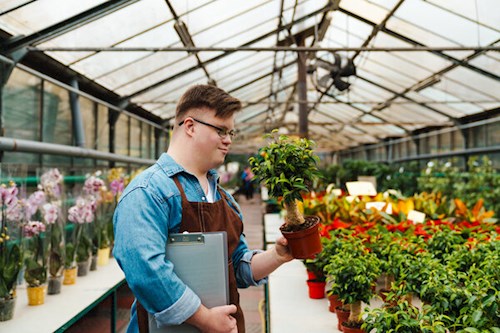
This blog recognizes National Disability Employment Awareness Month and highlights the value people with disabilities bring to the workplace. It explores how inclusive hiring, individualized employment opportunities, ongoing support and thoughtful workplace practices can help create meaningful, long-term employment.
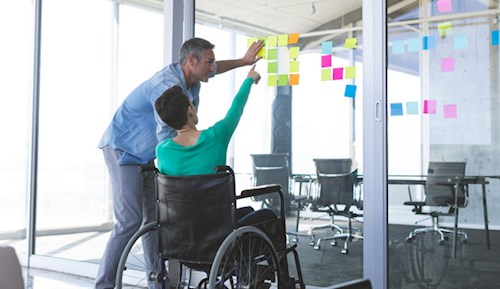
Job carving is a customized employment approach that matches job responsibilities to an individual's unique strengths and abilities. This blog explains how job carving creates more inclusive workplaces, benefits both employees and employers, and how Weaver Industries uses this approach to support meaningful employment opportunities for individuals with disabilities.

This blog explores the importance of caregiver support and the resources available to help reduce stress and prevent burnout. It covers caregiver assistance programs, support groups, counseling, respite care options and other resources that help caregivers maintain their well-being while providing the best possible care for their loved ones.